




Knight Foundation study finds that technology, flexible programming and putting residents at the center of the work are keys for successful and equitable public spaces.
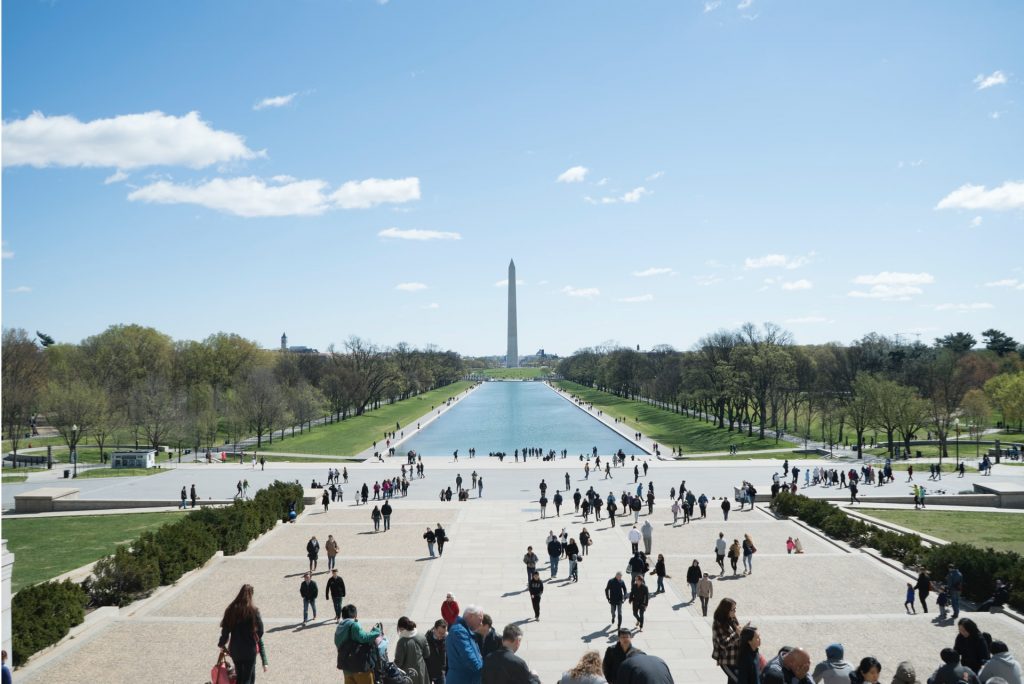
Though there has been much uncertainty over the past two years, one constant has been the importance of high-quality public spaces in cities. A recent Knight Foundation study, led by international design group Gehl, looked at seven public spaces in four cities during the pandemic, in order to determine what made them thrive. In addition to unique tactics deployed by local teams, the study found that a key ingredient of successful public spaces was putting community members at the center of the work, which enabled spaces to be developed and activated in a way that met diverse resident needs. By following the community’s lead, these cities created vibrant and resilient parks, green spaces and urban amenities that reflect the diversity of their users and ensure that more residents feel invited.
The findings of this study become even more important with the new near-term opportunities for cities to leverage federal dollars from the American Rescue Plan and the Infrastructure Investments and Jobs Act. This once-in-a-lifetime influx of resources can be used to promote the reinvigoration of inclusive and safe outdoor spaces that will increase exposure to the arts, prepare for future generational shifts, and prioritize equity to engage marginalized populations. And in doing so, the activation of these spaces will provide residents the sense of connection to their communities that they sought throughout the pandemic.
Read the full article on next city
Author: James Finley
Recommended by Stephanie Cheung


More Stories
San Francisco Shared Spaces Sustainability Strategy
Public Space and Public Life Studies
Realm of Possibility: 15 Ways NYC is Improving Public Space for New Yorkers